
Kyoto Ramen Culture: A Local Guide to the City’s Classic Shoyu Bowls
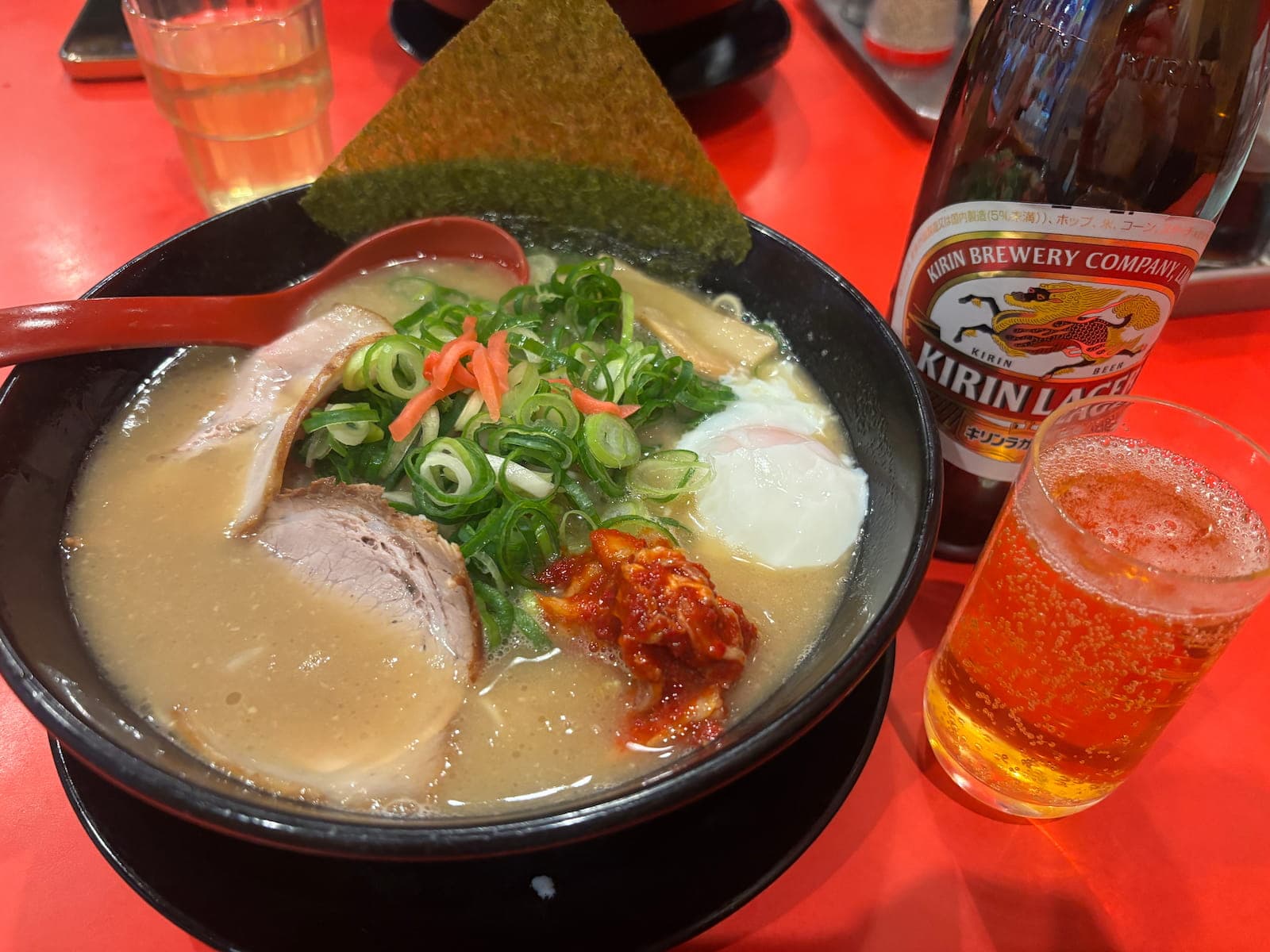
Kyoto ramen has a character of its own. While many visitors arrive in Japan already knowing famous chains like Ichiran or Ippudo, Kyoto’s ramen story is often found somewhere quieter: in old-school bowls, soy sauce-based broths, and neighborhood shops that locals have loved for years.
That difference matters. A lot of travelers first fall for rich, easy-to-love tonkotsu ramen from major brands, and there is nothing wrong with that. But if you want to taste something that feels truly tied to Kyoto, it helps to look beyond the familiar names and try the city’s more traditional local style.
This guide introduces the basics of Kyoto ramen culture, explains why classic shoyu ramen still matters here, and shows where to begin if you want a bowl that feels more local than universal.
Quick Take: What Makes Kyoto Ramen Special?
- Classic Kyoto ramen often leans shoyu-based: savory, deep, and comforting
- Local identity matters: many beloved shops are rooted in neighborhoods, not national branding
- It may feel subtler than tourist-favorite chains: but that is part of its charm
- The best experience is often local knowledge: not just the top result on a map
Tip: If you want to understand Kyoto through food, ramen is not just a quick meal — it is part of the city’s everyday culture.
Why Kyoto Ramen Feels Different
When people think about ramen in Japan, they often imagine rich pork broth, heavy garlic, or highly customizable chain-shop experiences. Kyoto can be different.
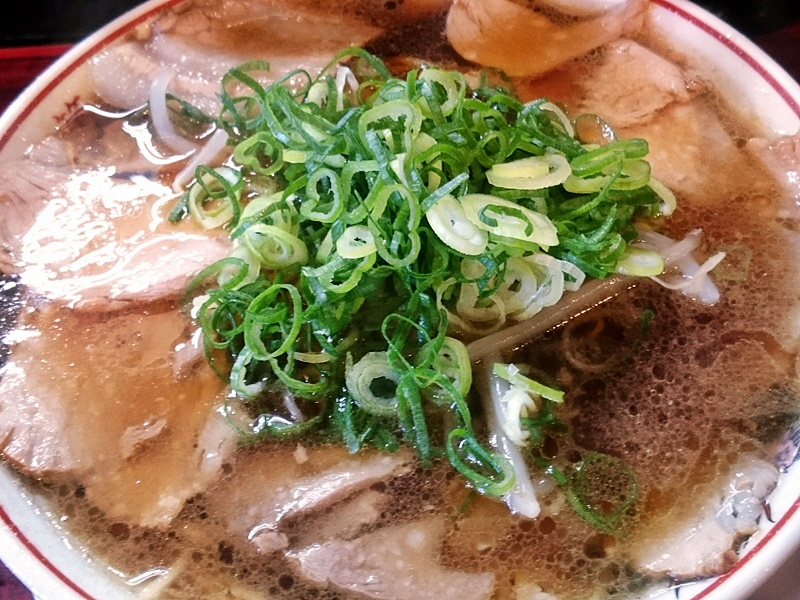
Many of the city’s traditional bowls are built around a soy sauce-forward profile. This style usually feels more direct and old-school: savory broth, simple toppings, and a satisfying everyday balance rather than a dramatic “wow” factor. For some first-time visitors, especially those used to creamy tonkotsu, Kyoto ramen may not feel instantly familiar. But that is exactly why it is worth trying.
Kyoto is a city where subtlety matters. You see it in tea, tofu, sweets, and seasonal dining. Ramen here can reflect that same local sensibility — not flashy, but deeply tied to routine, comfort, and place.
What You’ll Often Notice in Kyoto-Style Ramen
- Shoyu-based broth with clear savory depth
- Straightforward toppings like sliced pork, green onion, and noodles without excess
- A local, everyday feel rather than a polished “ramen experience”
- Shops with regular customers who return because the bowl is dependable
Where Ichiran and Ippudo Fit In
Chains like Ichiran and Ippudo are popular for good reasons. They are reliable, approachable, and easy for international visitors to understand. If someone is new to Japanese ramen, those shops can be a comfortable introduction.
But they are not really the heart of Kyoto ramen culture.
You can find those brands in many parts of Japan, and even outside Japan. Their appeal is consistency. Kyoto’s appeal is locality. If you eat only at nationally famous chains, you may enjoy ramen in Kyoto without really tasting a ramen style that belongs to Kyoto.
So the question is not whether chain ramen is “good” or “bad.” It is whether you want convenience or local character. If the goal is to understand the city through food, local ramen shops tell the more interesting story.
Start with Daiichi Asahi
If you want one famous name that still connects you to Kyoto’s local ramen roots, Daiichi Asahi is one of the best places to start.
It is well known, but it still feels much closer to Kyoto’s classic ramen identity than the big tourist-chain experience. For many visitors, it works as the ideal bridge: recognizable enough to feel accessible, yet rooted enough to show what Kyoto-style ramen is about.
A bowl here gives you a clearer sense of the city’s old-school shoyu tradition — savory, comforting, and satisfying without trying too hard to impress. It is a strong first stop for anyone who wants to begin with something established before exploring smaller neighborhood favorites.
Why Daiichi Asahi Is a Good First Step
- It is one of the best-known names connected to Kyoto’s ramen history
- It offers a more local feeling than nationally standardized chains
- It helps visitors understand what a classic Kyoto bowl can taste like
- It is a useful starting point before going deeper into smaller local shops
Beyond the Big Name: The Real Joy Is in Local Shops
Daiichi Asahi is a great introduction, but Kyoto ramen does not stop there. In many ways, the most memorable part of the city’s ramen culture lives in smaller local shops that tourists might miss.
These places are often less polished, less translated, and less designed for global visitors — but they can feel more personal, more rooted, and more distinctly Kyoto. Some are old neighborhood institutions. Others are modest counters known mostly by nearby regulars. What they share is a feeling of place.
That is where Kyoto ramen becomes more than “another bowl in Japan.” It becomes local culture.
Signs You’ve Found a More Local Kyoto Ramen Spot
- The shop feels tied to a specific neighborhood
- The menu is simple and built around a few trusted bowls
- The crowd includes regulars, not just travelers
- The flavor feels honest and familiar rather than trend-driven
Why Some Visitors Need Context to Appreciate Kyoto Ramen
Not every visitor falls in love with Kyoto ramen immediately, and that is perfectly normal.
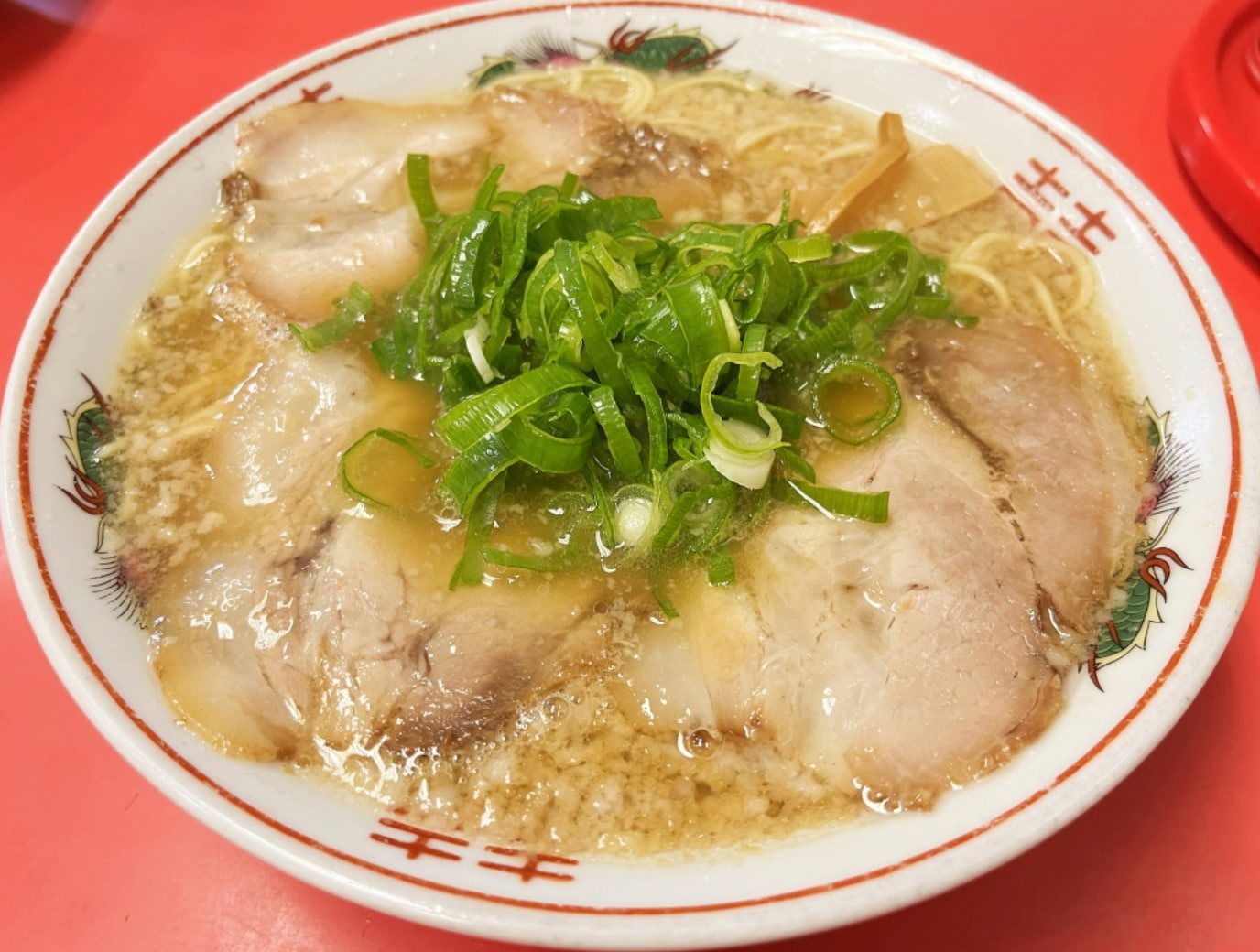
If your image of “great ramen” is based on thick tonkotsu broth, strong garlic, or globally famous chains, Kyoto’s more traditional soy sauce style can feel lighter in some ways and more old-fashioned in others. But once you understand the context, that same bowl often becomes more meaningful.
Kyoto ramen is not always about instant intensity. It is often about repeat appeal — the kind of ramen locals want again and again. The broth feels built for daily life, not for shock value. And that is a big part of why it matters.
In other words, Kyoto ramen is often best appreciated when you stop asking, “Is this the most famous bowl?” and start asking, “Is this the kind of bowl people in Kyoto actually come back for?”
How to Choose the Right Kyoto Ramen Experience
There is no single “best ramen in Kyoto” for everyone. The right bowl depends on what kind of experience you want.
Choose a Local Classic If You Want:
- a first real taste of Kyoto ramen culture
- a more traditional shoyu-based bowl
- something that feels rooted in the city
Choose a Tourist-Friendly Chain If You Want:
- easy ordering
- consistent flavor
- a familiar name you already trust
Choose a Neighborhood Recommendation If You Want:
- a more local atmosphere
- hidden favorites beyond major lists
- a food experience that feels personal and memorable
This is why local advice helps. A generic ranking cannot always tell you which shop fits your taste, your location, or your travel style. But a thoughtful recommendation can.
The Best Way to Taste Kyoto Is to Go Beyond the Obvious
Kyoto rewards people who look a little deeper. The same is true for ramen.
The easiest choice is not always the most local one. If you want to understand Kyoto through food, it makes sense to try at least one bowl that reflects the city’s own ramen identity: old-school shoyu depth, neighborhood loyalty, and a sense of comfort that comes from repetition rather than hype.
Start with a respected classic like Daiichi Asahi, then go further if you can. The bowl you remember most may not be the one with the biggest name. It may be the one you found through local guidance.
Planning a Kyoto Food Trip?
If you want help finding the right local ramen experience in Kyoto, our team can point you toward shops that match your taste, your neighborhood plans, and the kind of food story you actually want to remember.
Kyoto has chain ramen, of course. But Kyoto also has its own ramen culture — and that is the part worth discovering.
Final Tip
If your goal is not just to eat ramen in Kyoto, but to taste ramen that feels truly of Kyoto, go local.