
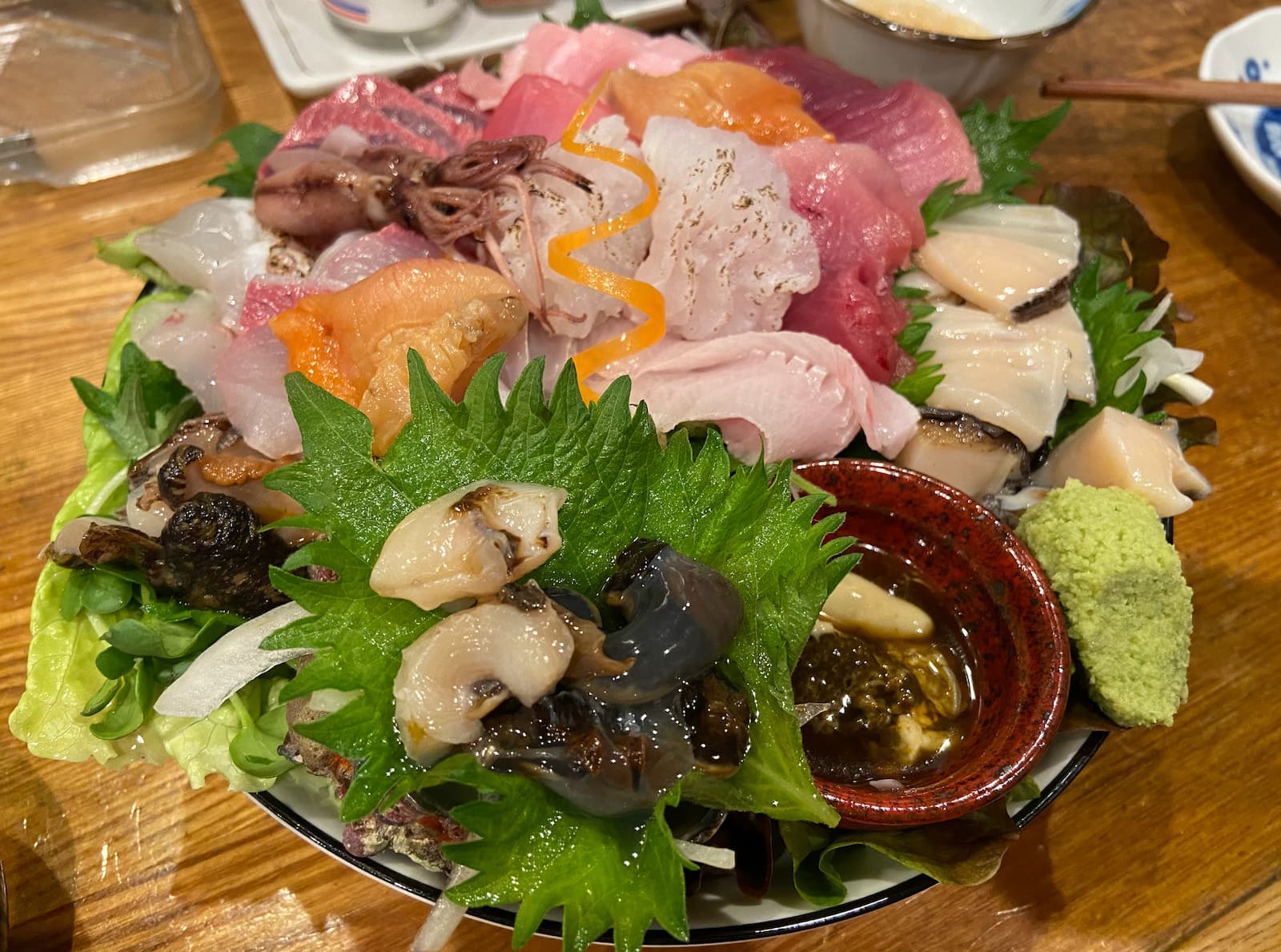
Kyoto Sashimi Guide: How to Find the City’s Best Local Seafood Spots
Kyoto may be better known internationally for kaiseki, tofu, matcha, and ramen, but people who spend more time in the city quickly learn something else: some of the most satisfying seafood meals here are found quietly, in places that do not advertise much and do not depend on tourist traffic.
That is especially true for sashimi.
If you search online for the “best sashimi in Kyoto,” you will often see polished restaurants, high-ranking listings, and places already built for visitors. Some of them are good. But the truly memorable experiences are often more local — small restaurants, neighborhood izakaya, and seafood counters that regulars return to because the quality is consistent and the atmosphere feels real.
This guide explains why Kyoto’s best sashimi is often found away from the obvious tourist path, what kind of places to look for, and why local guidance can make all the difference.
Quick Take: What Makes a Great Kyoto Sashimi Experience?
- Freshness matters, but so does sourcing: the best places care deeply about season and daily selection
- Local restaurants often feel more personal: less performance, more trust
- The top experience is not always the most famous one: some of the best spots are known mainly to locals
- Context matters: the right place depends on your budget, mood, and neighborhood
Tip: In Kyoto, the best seafood meal is not always the one with the biggest online presence — it is often the one locals quietly return to.
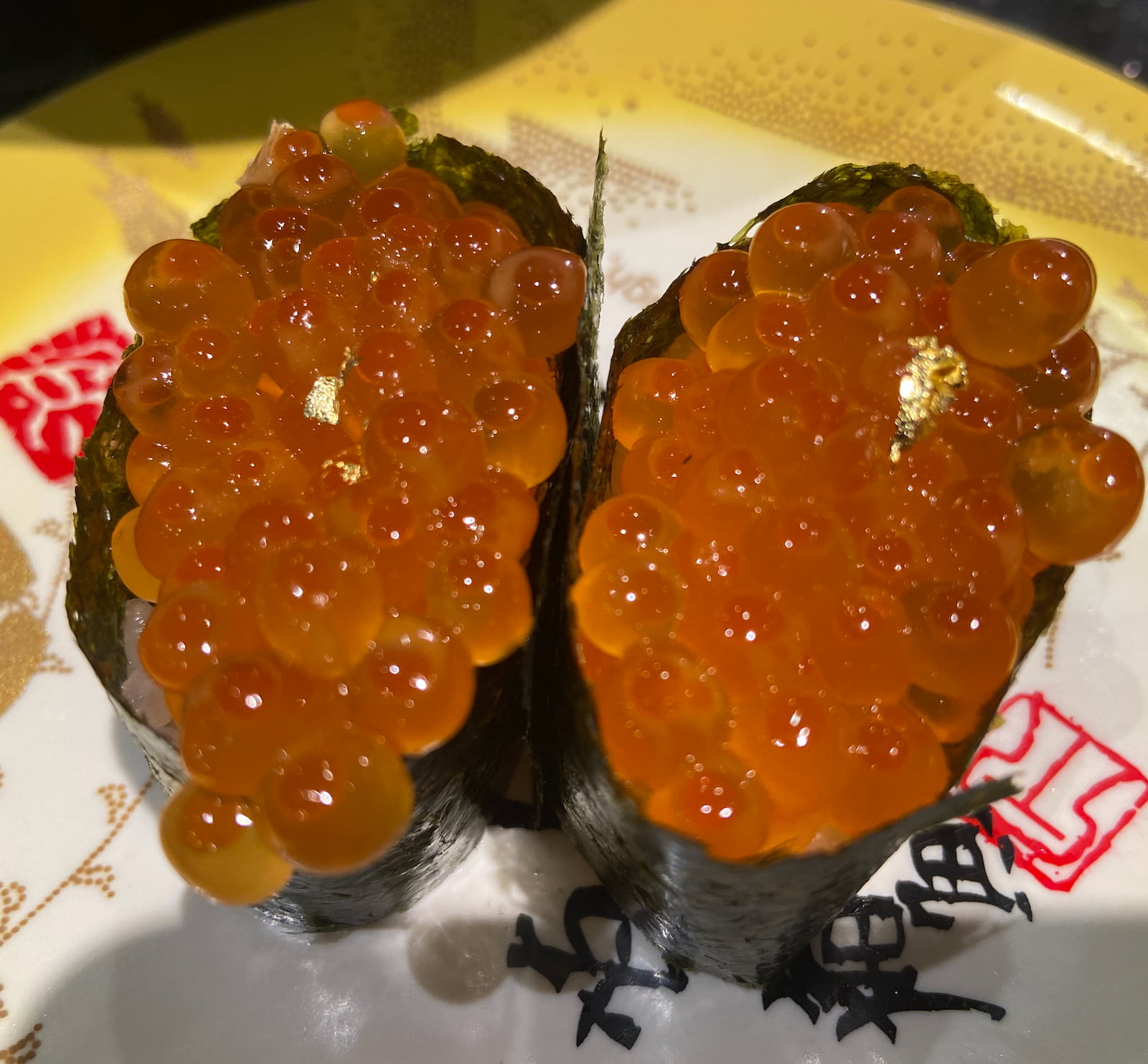
Why Great Sashimi in Kyoto Often Feels Hidden
Kyoto is not a coastal city, so first-time visitors sometimes assume it is not the place for excellent sashimi. In practice, that assumption misses how food culture works here.
Kyoto has long valued precision, seasonality, and ingredient quality. That same mindset shapes good seafood restaurants. The best sashimi places are often careful about what they serve, selective about the day’s fish, and focused on trust rather than visibility. They do not always need flashy branding because their reputation already circulates through locals, repeat guests, and word of mouth.
That is why some of the city’s best seafood experiences can feel slightly hidden. They are not necessarily trying to be discovered by everyone.
What Often Defines a Strong Local Sashimi Spot
- A menu that changes with the day’s ingredients
- Confidence in simple presentation
- A customer base of regulars and local diners
- A quiet, neighborhood feel rather than a “destination restaurant” atmosphere
- Staff who clearly care about timing, texture, and balance
Tourist-Friendly Seafood vs. Truly Local Seafood
There is nothing wrong with eating at a place that is easy to book and easy to understand. For many travelers, that convenience is part of a good trip.
But the experience can be different.
Tourist-friendly seafood restaurants often need to be clear, polished, and broadly appealing. Local places do not always work that way. Some are smaller. Some are less translated. Some are more subtle in both service and style. What they offer instead is a stronger feeling of place.
In a more local sashimi restaurant, the meal may feel less like a performance and more like a habit — the kind of place people visit because they trust the fish, the pacing, and the seasonal judgment of the kitchen. That quiet confidence is often where Kyoto becomes most interesting.
Why the Best Places Are Often Known Mainly to Locals
The highest-quality sashimi experience is not always attached to a famous name. In Kyoto, many excellent seafood meals happen in places that remain relatively low-profile.
There are a few reasons for that:
- some restaurants are small and do not need heavy promotion
- some depend on repeat local business rather than visitor volume
- some are valued precisely because they still feel calm and under-the-radar
- some of the best recommendations are shared person to person, not broadcast widely
That does not mean these places are impossible to access. It simply means they are easier to find when someone local points you in the right direction.
Signs a Place May Be More Local Than Tourist-Focused
- It is in a neighborhood rather than a major sightseeing corridor
- The menu highlights seasonal fish rather than oversized combination platters
- The room is modest but confident
- You get the feeling that people came for the food, not for the photo
What to Look for in a Great Kyoto Sashimi Restaurant
If you want something genuinely memorable, do not focus only on the words “popular” or “famous.” Look for signs of care.
1) Seasonal Thinking
A good sashimi restaurant does not treat all fish the same all year. Season matters, and the strongest places reflect that naturally.
2) Simplicity with Confidence
Excellent sashimi does not need to be over-explained. Clean cuts, thoughtful balance, and proper temperature already say a lot.
3) A Local Rhythm
The best rooms often feel settled. Not rushed, not theatrical, just quietly assured.
4) A Menu That Suggests Trust
When a restaurant is willing to let the day’s selection shape the experience, that usually signals seriousness.
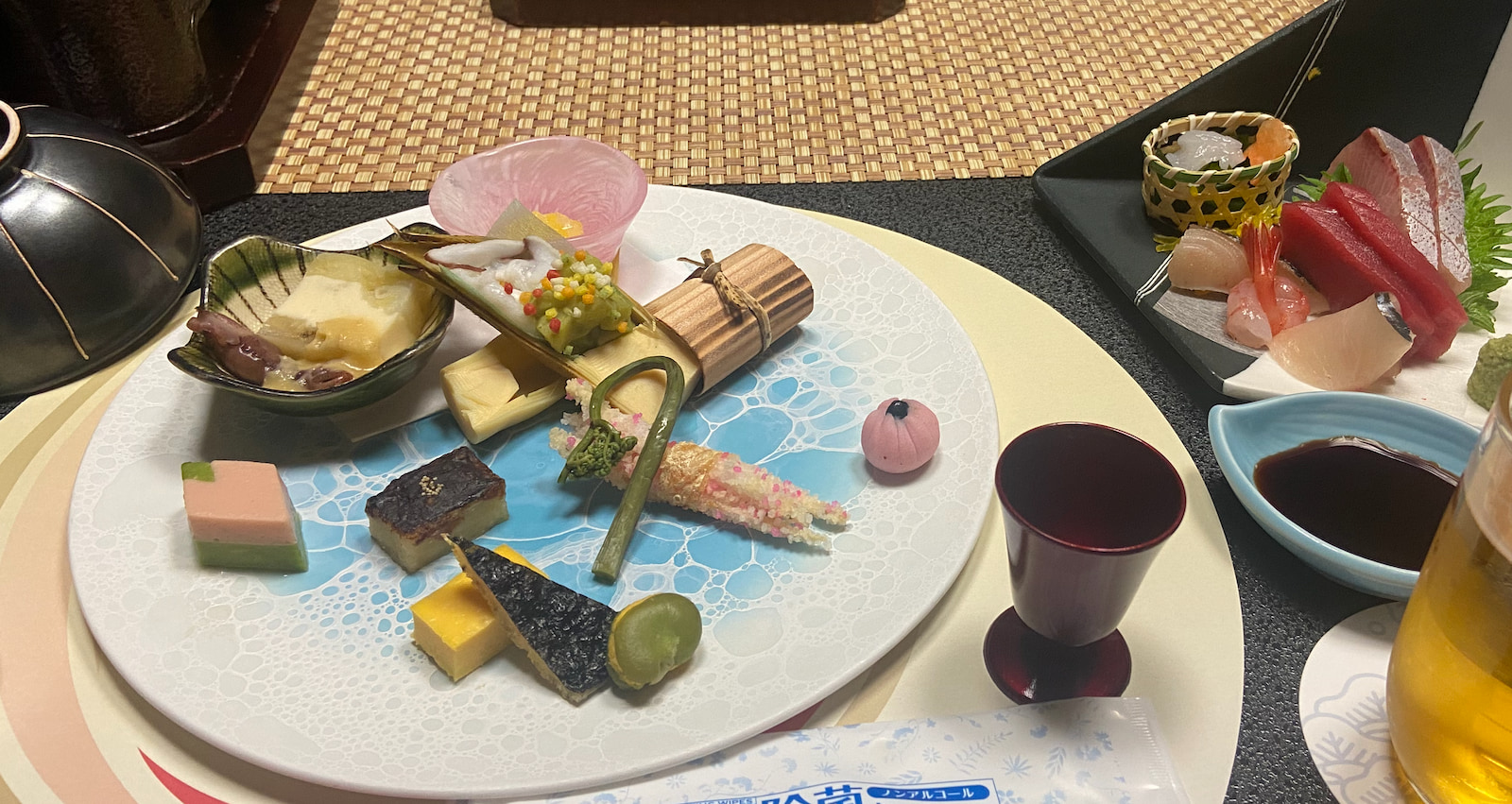
Why Local Guidance Matters So Much
This is one of those food categories where generic rankings can only help so much.
A “best sashimi in Kyoto” list cannot always tell you:
- which place feels relaxed rather than formal
- which place is best for solo dining or a quiet date
- which neighborhood spots are consistently strong
- which restaurants fit your budget and comfort level
- which places still feel truly local
That is where local guidance becomes valuable. The right recommendation depends on whether you want an izakaya atmosphere, a refined counter, a hidden seafood specialist, or simply a reliable place where the fish is excellent and the room feels unforced.
The best choice is rarely one-size-fits-all.
Kyoto Seafood Is Best When It Feels Personal
The real pleasure of eating sashimi in Kyoto is not only the fish itself. It is the feeling of discovering a place that seems to belong exactly where it is.
Maybe it is a tucked-away restaurant on a quieter street. Maybe it is an izakaya with a seafood board that regulars scan without hesitation. Maybe it is a small room where the chef’s choices tell you more than the signage outside ever could.
That kind of meal stays with you.
And while those places are not always impossible to find on your own, they become much easier to access when you have local insight instead of relying only on what every visitor already sees.
Planning a Kyoto Food Trip?
If you want sashimi in Kyoto that feels more local, more memorable, and less like a standard tourist checklist stop, ask our team.
We can help point you toward the kinds of seafood places that fit your taste and travel style — whether you want a relaxed neighborhood dinner, a small local favorite, or a food experience that feels genuinely connected to the city.
Final Tip
The best sashimi in Kyoto is not always the most visible.
Very often, it is the place locals already know — and visitors only find with the right introduction.