
Nishiki Market Guide: What to Try (and How to Experience the Real Kyoto Food Scene)
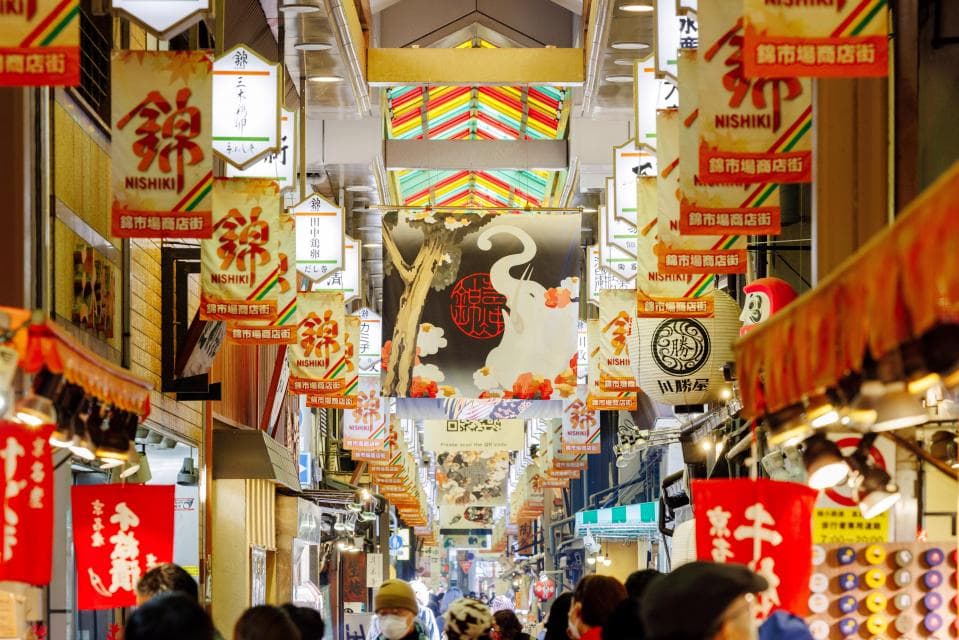
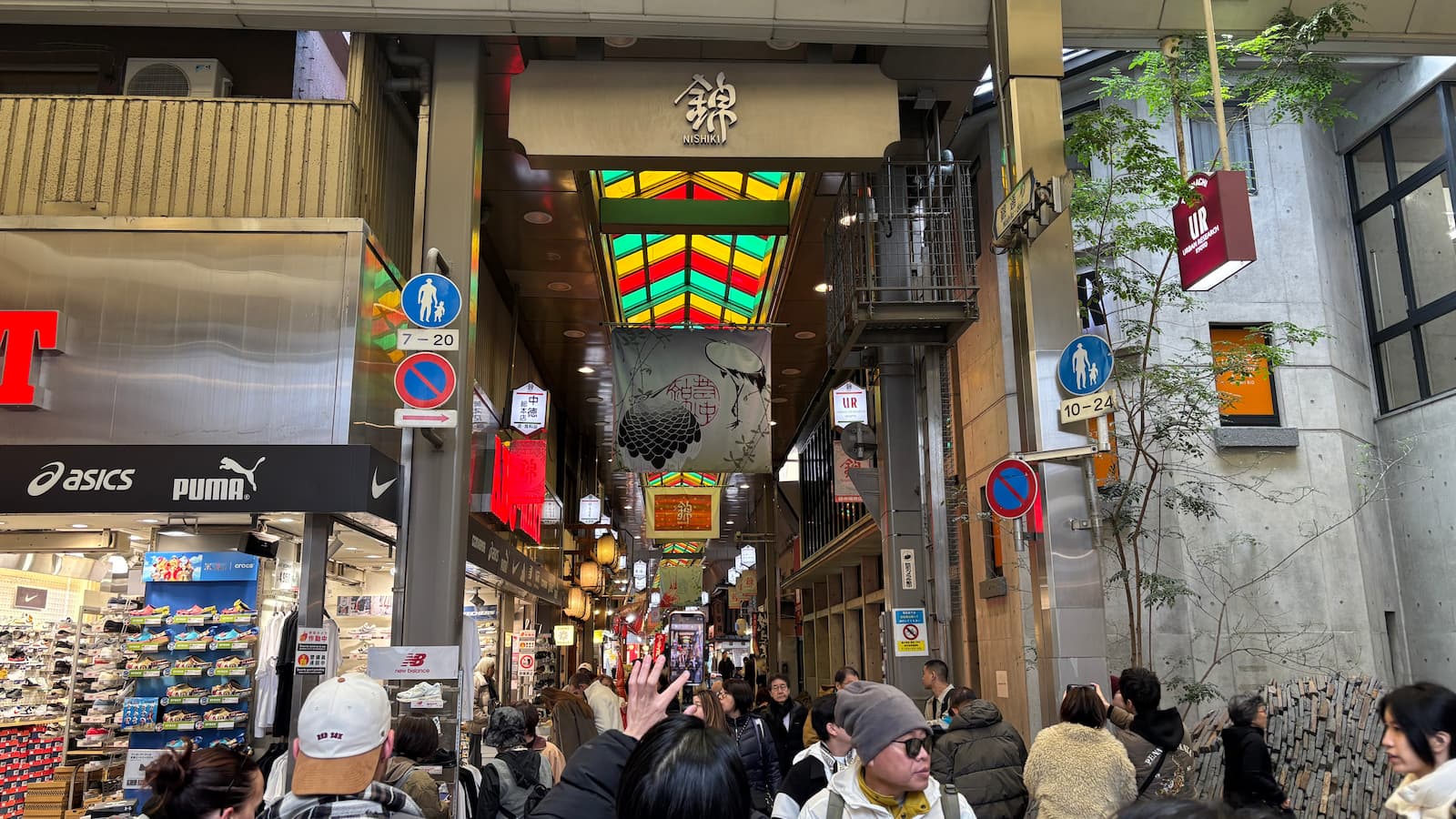
Nishiki Market is one of the most famous food streets in Kyoto. Stretching about 400 meters through the center of the city, this historic market has supported Kyoto’s food culture for more than 400 years.
Today, the covered arcade is packed with food stalls, seafood shops, pickle stores, and snack vendors. For many visitors, it’s the first place they encounter Kyoto’s culinary culture.
But Nishiki Market is more than just a street food destination.
It’s best understood as an introduction to Kyoto’s food culture, where traditional ingredients, local specialties, and modern tourist snacks all exist side by side.
Quick Game Plan (15–30 minutes)
If it’s your first time visiting Nishiki Market, a simple plan helps.
- Visit in the morning or before lunch to avoid crowds
- Try 5–7 small bites, not a full meal
- Share food if you're traveling with friends
- Bring cash for smaller stalls
Tip: Nishiki Market works best as a tasting walk, not a sit-down meal.
Why Nishiki Market Is Called “Kyoto’s Kitchen”
For centuries, Kyoto chefs and home cooks have come to Nishiki Market to buy ingredients.
Walking through the market, you'll see shops selling foods essential to Kyoto cooking:
- Kyoto pickles (tsukemono)
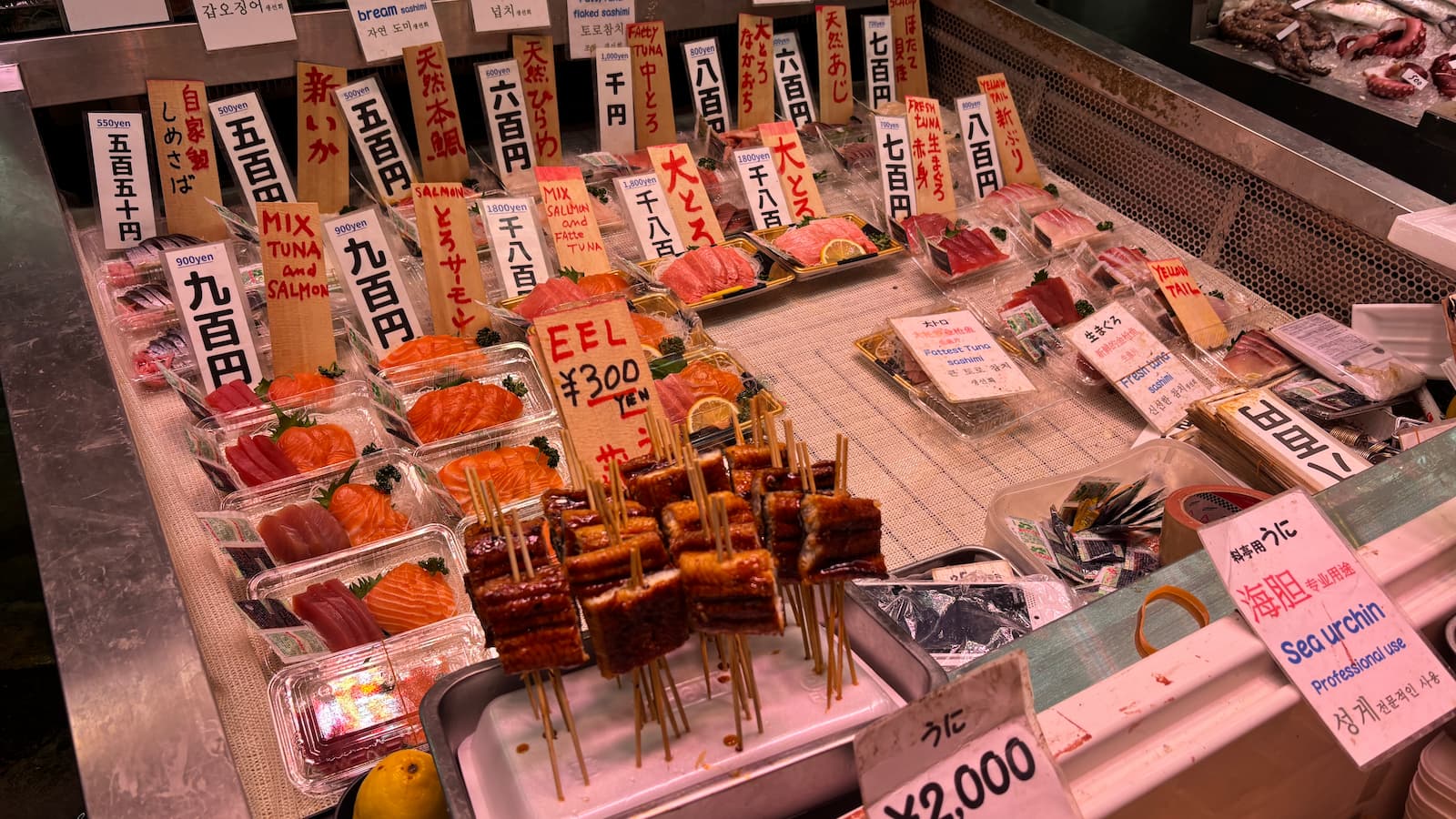
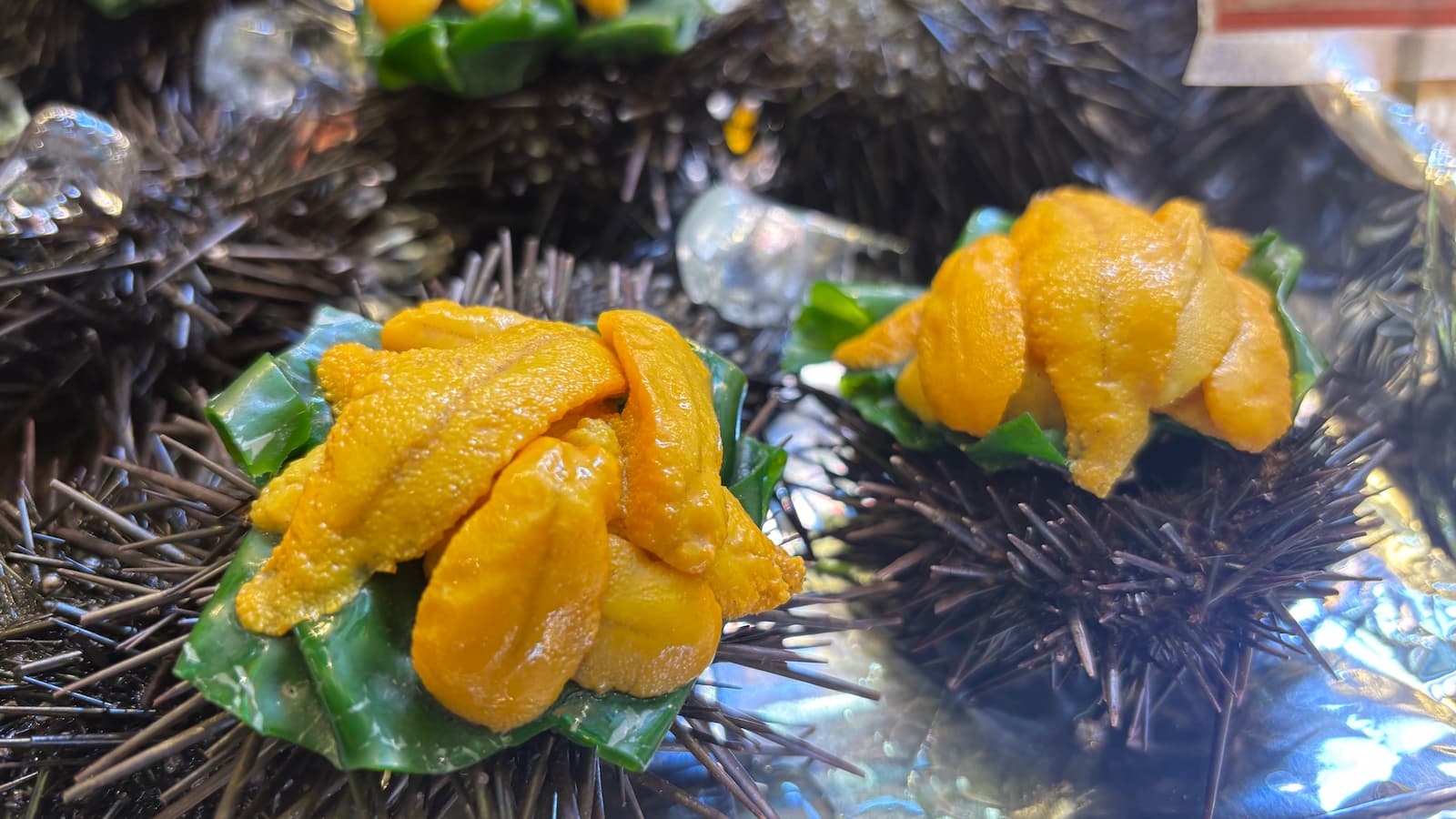
- fresh seafood
- dashimaki tamago (Japanese omelet)
- tofu and yuba (tofu skin)
- dried ingredients used for dashi broth
- seasonal Kyoto vegetables
These ingredients form the foundation of traditional Kyoto cuisine.
Classic Foods to Try in Nishiki Market
While walking through the market, a few foods are especially popular.
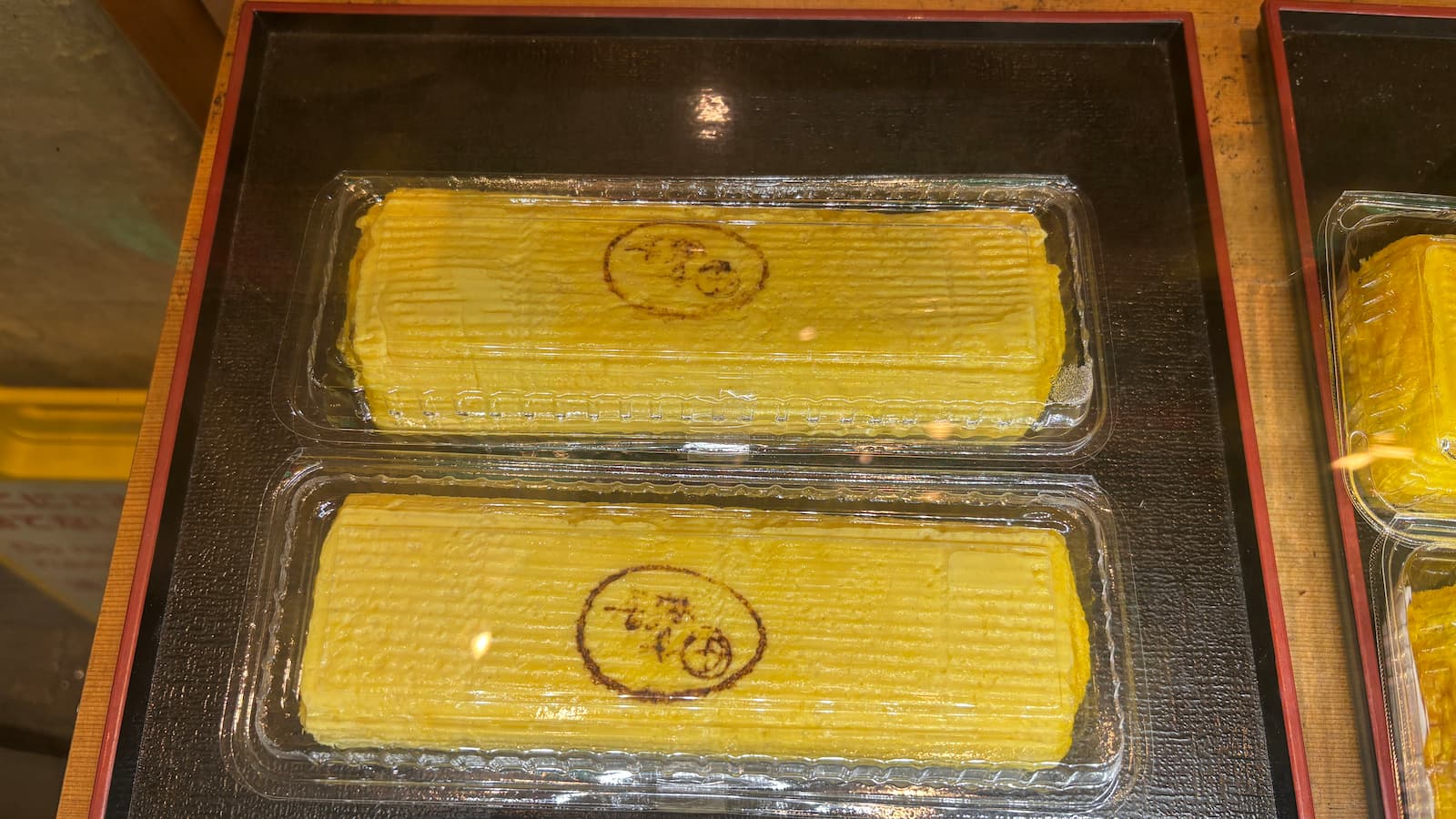
Dashimaki Tamago
A Kyoto specialty.
This soft Japanese omelet is made with dashi broth, giving it a light savory flavor. Watching it being cooked fresh at the stall is part of the experience.
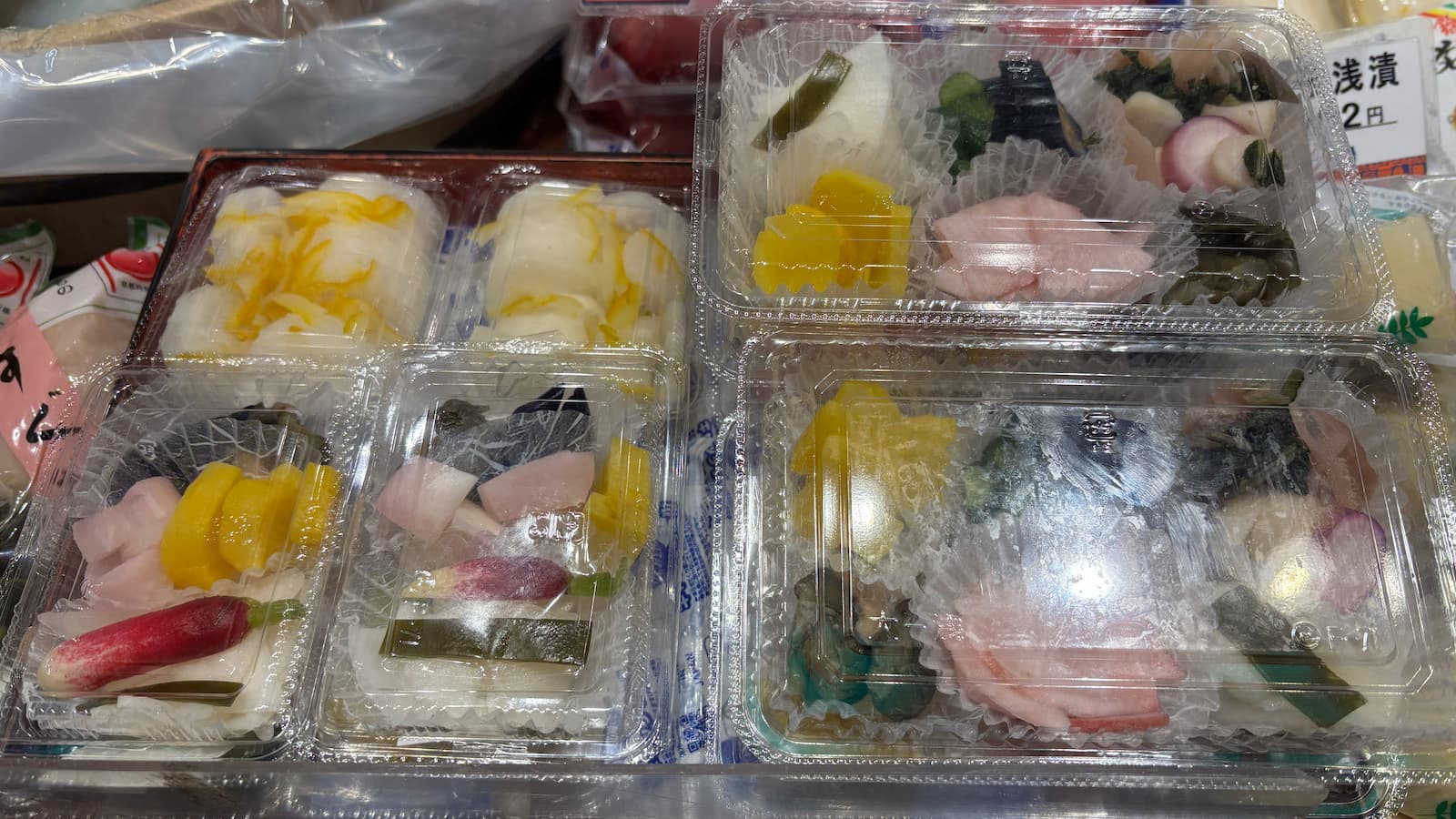
Kyoto Pickles
Pickles are an essential part of Kyoto cuisine.
Many shops display colorful varieties made from seasonal vegetables, offering a glimpse into traditional Kyoto food culture.
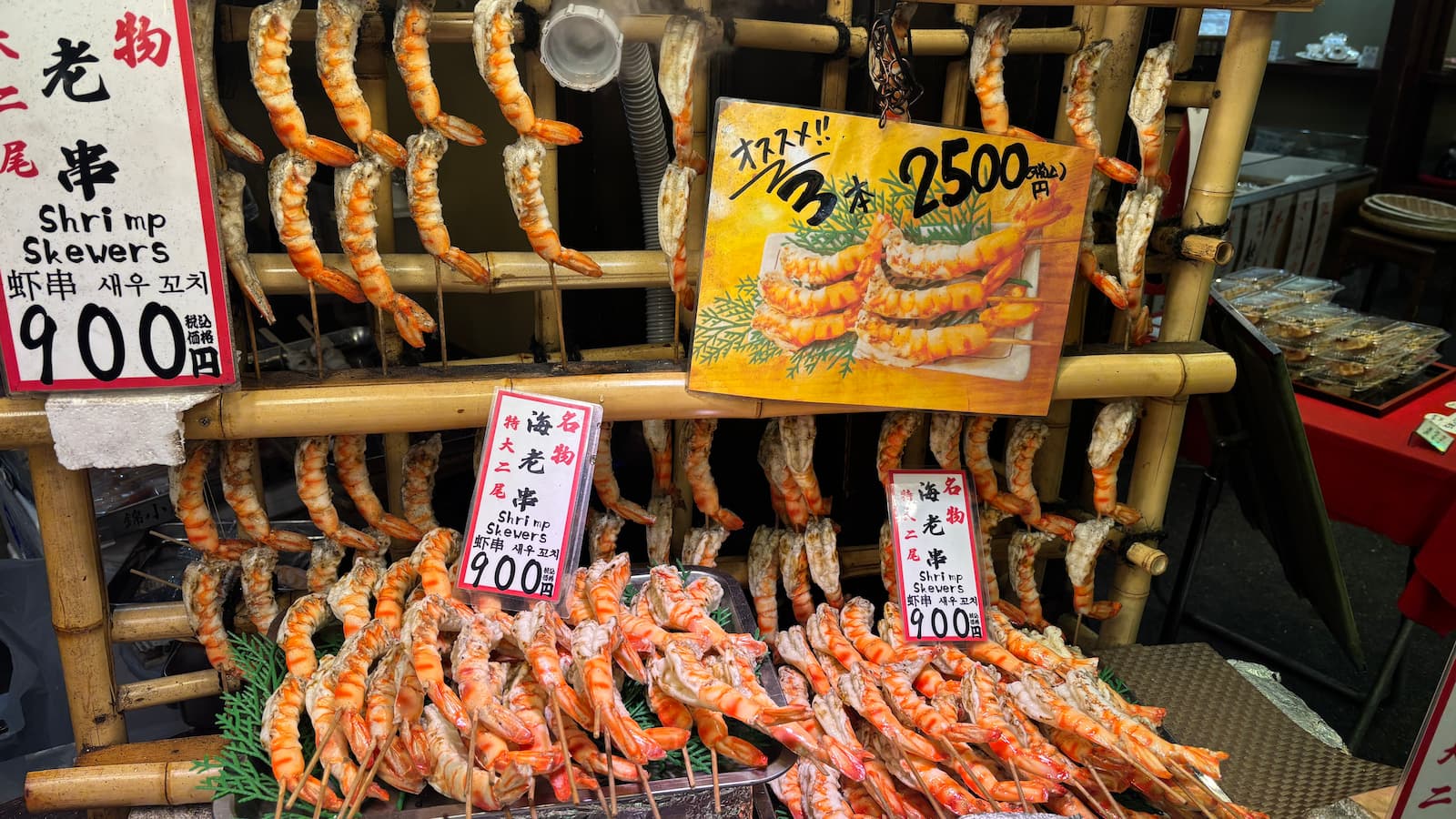
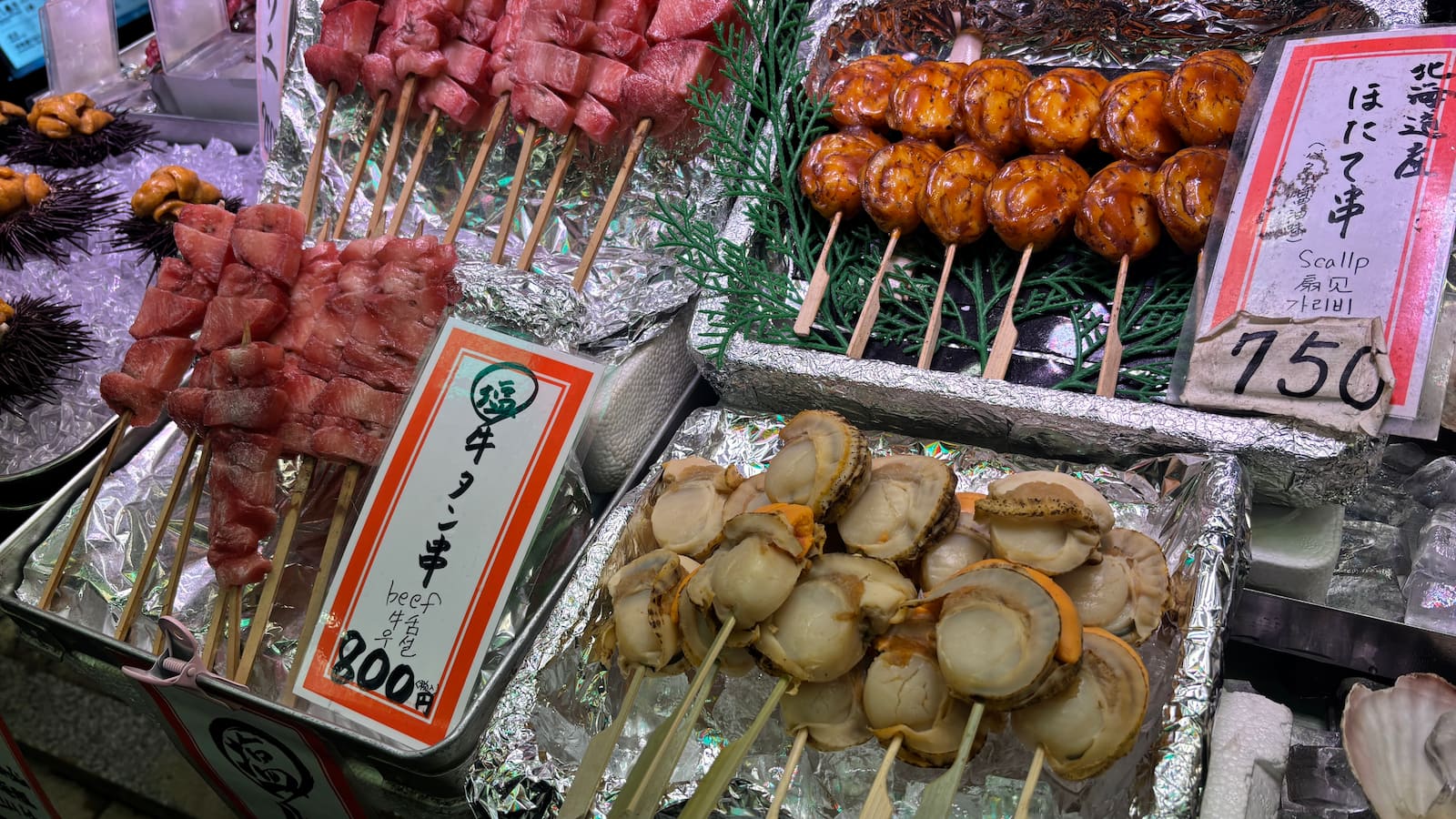
Grilled Seafood
Several stalls grill scallops, eel, or fish right in front of you. The smell alone often draws people in.
Look a Little Closer — There’s More Than Tourist Snacks
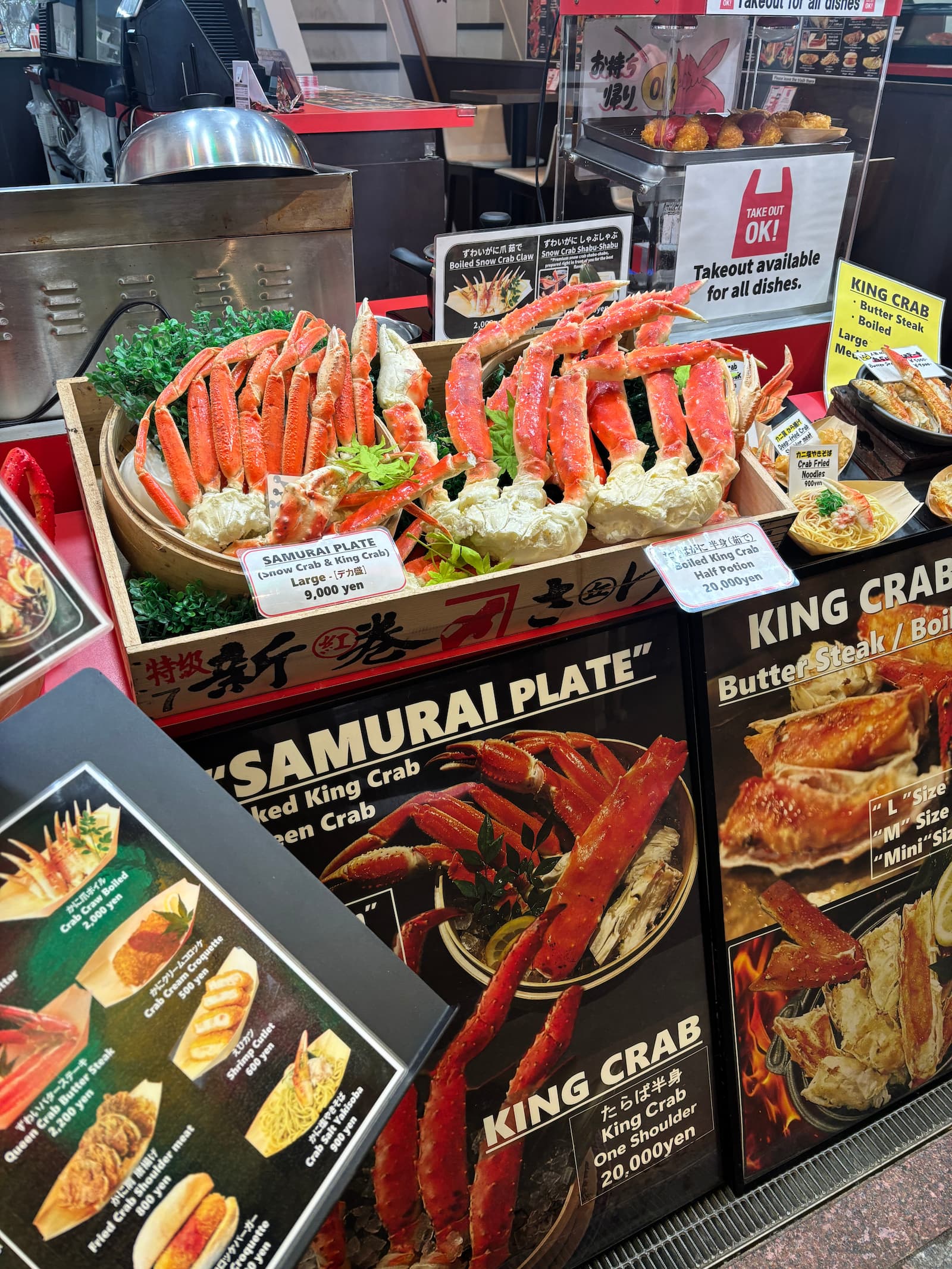
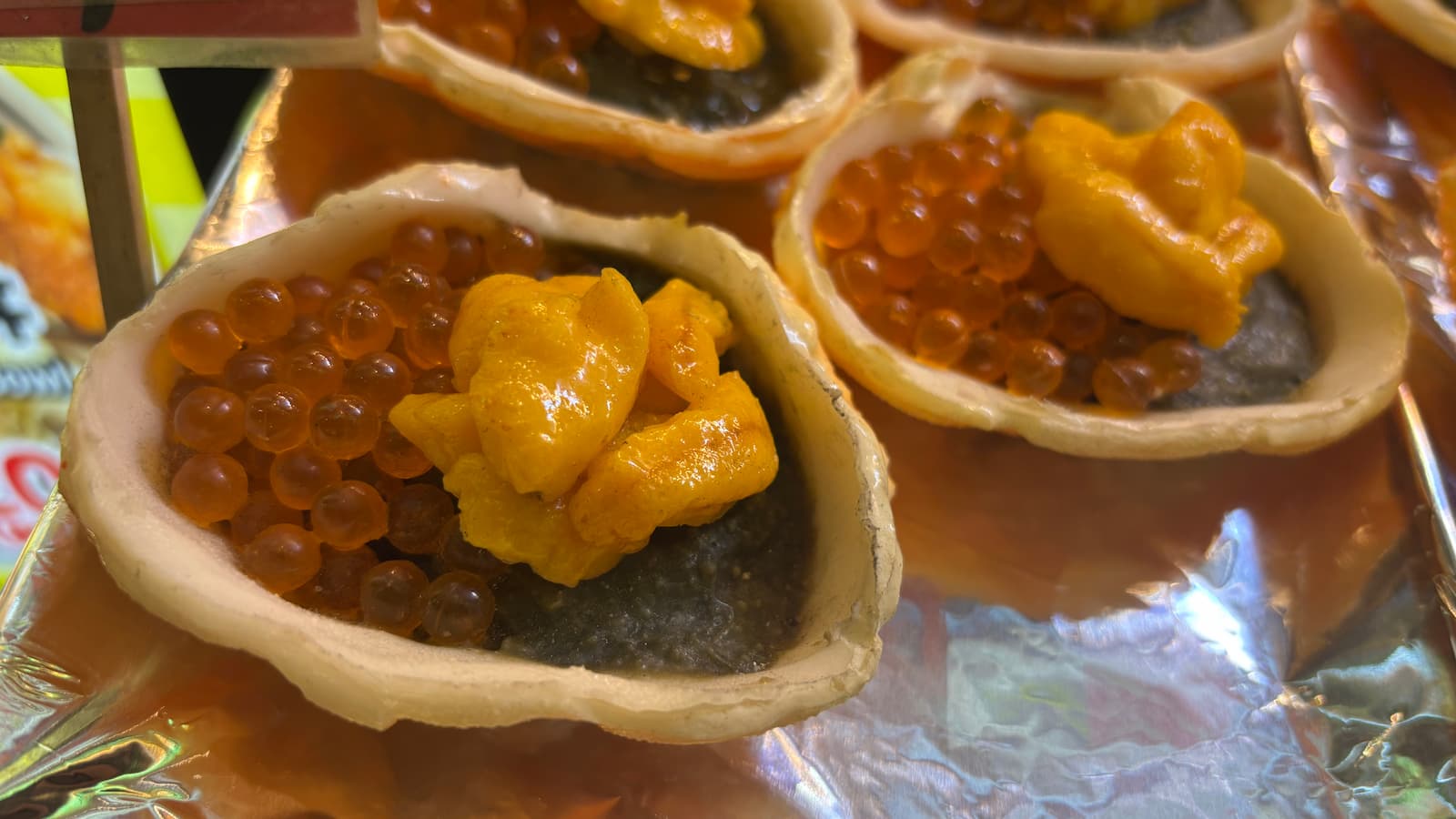
Because Nishiki Market is so popular with visitors, many stalls now sell foods designed to be eye-catching or easy for tourists to try.
These can still be fun, but they don’t always represent Kyoto’s traditional food culture.
If you look carefully, you may also find foods locals love, such as:
- delicate yuba dishes
- sushi made with fresh fish
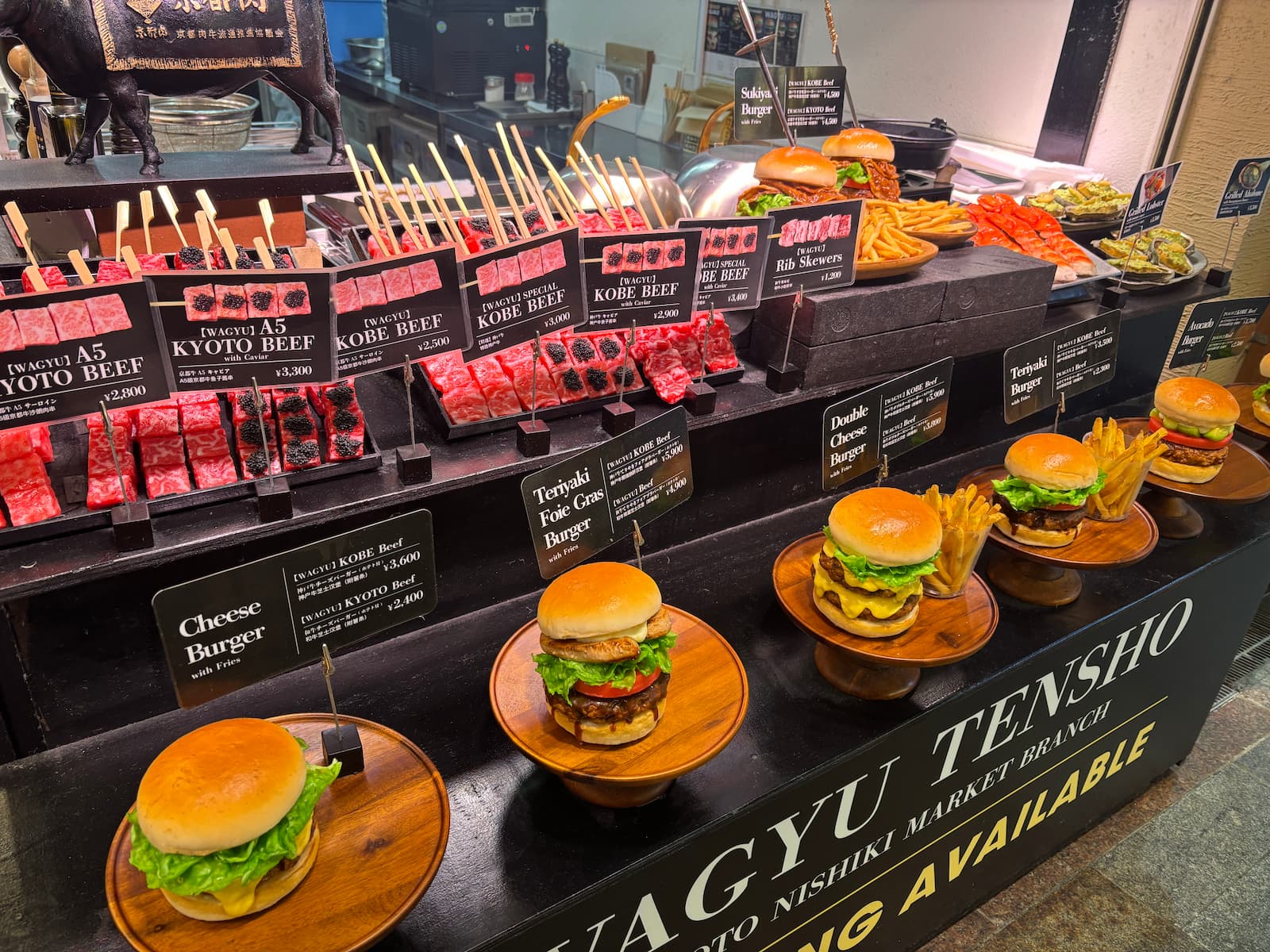
- wagyu beef specialties
- traditional Kyoto sweets
- matcha desserts
These dishes focus less on appearance and more on flavor and craftsmanship.
However, they can sometimes be easy to miss if you’re visiting the market for the first time.
Local Tip
The most interesting foods are often found in smaller shops or places locals are lining up for.
What Locals Actually Come Here For
While visitors focus on street food, locals often visit Nishiki Market for ingredients.
Common purchases include:
- fresh fish
- tofu
- Kyoto pickles
- dried foods for soup stock
- seasonal vegetables
Seeing these ingredients helps you understand how Kyoto cuisine is actually cooked.
Best Time to Visit Nishiki Market
The market becomes extremely crowded in the afternoon.
For a more enjoyable experience:
- Visit morning to early lunch
- Weekdays are usually calmer than weekends
Walking slowly and observing the shops often leads to better discoveries.
Nishiki Market Is Just the Beginning
Nishiki Market is a great starting point for exploring Kyoto’s food culture.
But many of Kyoto’s best food experiences are found outside the market, in places like:
- small neighborhood restaurants
- traditional sweet shops
- hidden local eateries
- historic tea houses
These places often require local knowledge to find.
Want to Experience the Real Side of Nishiki Market?
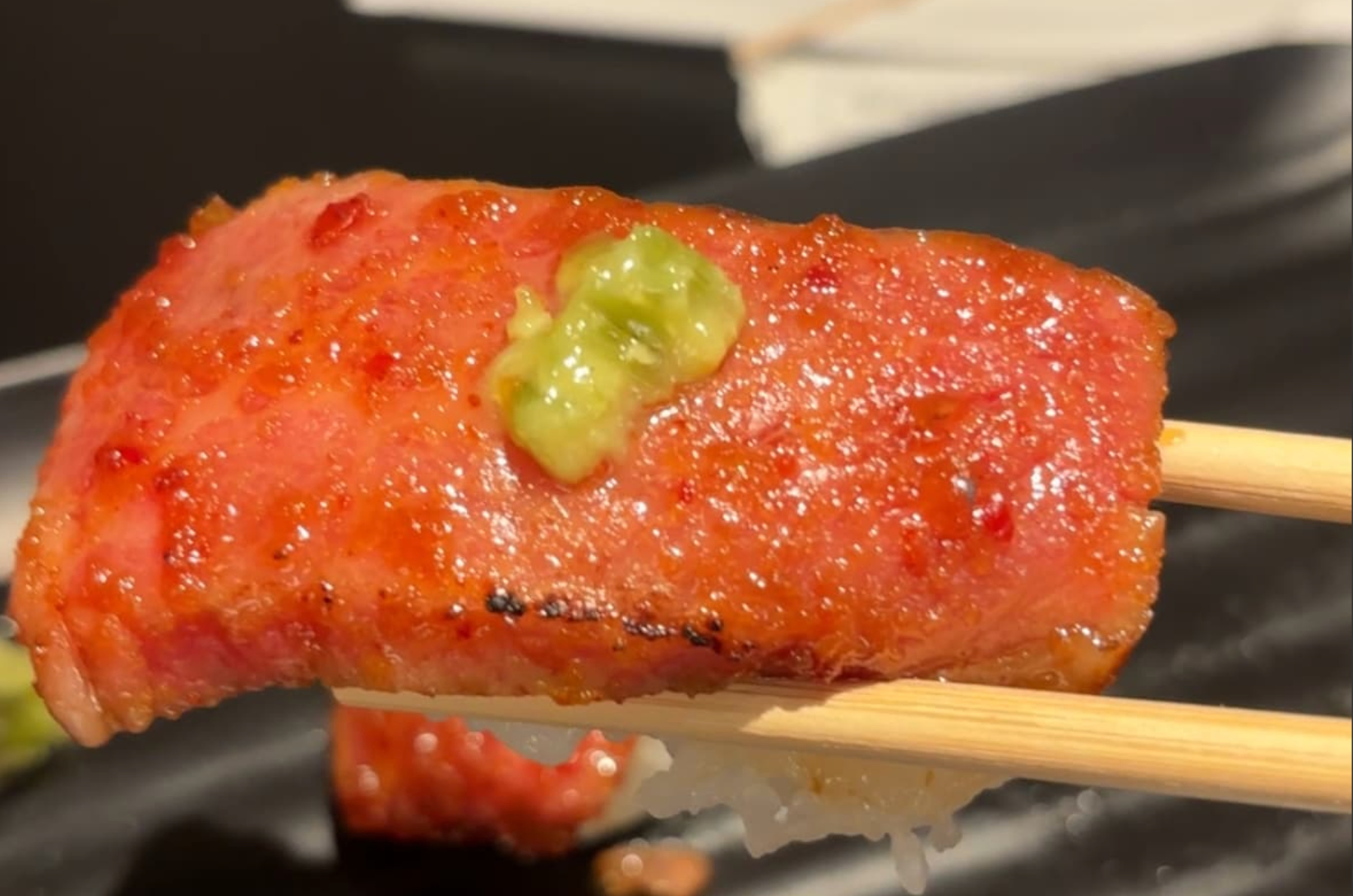
While Nishiki Market is fun to explore on your own, many visitors only see the surface — the busy street food stalls and popular tourist snacks.
But hidden among the market and nearby streets are small specialty shops, local favorites, and dishes that locals genuinely enjoy — things that can be easy to miss if you're visiting for the first time.
For travelers who want to understand Kyoto’s food culture more deeply, exploring with a local guide can make a big difference.
A guided food tour allows you to:
- discover small shops most visitors walk past
- try dishes locals actually love
- learn the stories behind Kyoto ingredients and cooking traditions
- experience the market beyond the typical tourist snacks
If you'd like to explore Nishiki Market and the surrounding food streets in a deeper way, consider joining one of our small-group Kyoto food tours.
Final Thoughts
Nishiki Market remains one of Kyoto’s most fascinating food streets.
It’s lively, colorful, and full of interesting flavors. But the real value of visiting Nishiki Market is not just eating snacks — it’s discovering the ingredients, traditions, and culture behind Kyoto cuisine.
Think of Nishiki Market as the doorway to Kyoto’s culinary world.